
Imagine this: a 17-year-old, beaming with pride, is driving home from school in their first car. The sense of freedom is exhilarating. But at a busy intersection, a moment of inexperience leads to a minor fender bender. Suddenly, that freedom is overshadowed by the harsh reality of repair bills and an insurance premium that doubles overnight, leaving the family scrambling to adjust its budget. This scenario, a nightmare for many families, illustrates the high stakes of driving without a deep understanding of car insurance.
The truth is, car insurance for teens and new drivers is notoriously expensive. This isn’t arbitrary; it’s based on risk. According to the National Highway Traffic Safety Administration (NHTSA), drivers under 21 are involved in crashes at rates three times higher than their adult counterparts. Insurers price their policies to reflect this elevated risk. The financial strain on families can be significant, turning a rite of passage into a source of stress.
This guide is designed to change that. Its purpose is to empower teens, new drivers, and their parents to understand the system, choose the right coverage, minimize costs, and avoid common pitfalls. With the right knowledge, you can confidently navigate this road.
Understanding Car Insurance Quotes and Key Factors for Young Drivers
Before you can find the right policy, you need to understand how insurers calculate your price. This starts with a car insurance quote, which is a personalized estimate of your premium costs based on the individual details you provide. It’s a common misconception that all young drivers pay the same high rate, but the reality is far more nuanced. Several critical factors influence the final number, creating significant variations based on state laws and personal circumstances.
Here are the key factors that most heavily impact insurance rates for teenagers and new drivers:
- Age-Based Risk: This is the most significant factor. A 16-year-old driver faces an average annual premium of $5,910 for a full coverage policy. This number reflects the statistical peak of inexperience. As a driver gains more experience behind the wheel, this figure gradually decreases, dropping to an average of $5,676 by age 20.
- Driving History: A clean record is your most valuable asset. Even a single at-fault accident can cause your rates to spike by a staggering 40% to 50%. Tickets for speeding or other moving violations will also lead to substantial increases.
- Vehicle Choice: The car you drive matters. Opting for a safe, reliable, and low-theft model like a Honda Civic can keep costs down. In contrast, insuring a sports car or a luxury SUV will be significantly more expensive due to higher repair costs and a greater risk of theft.
- Location: Where you live and drive has a major impact. Densely populated urban areas, like those in California, see higher premiums because of greater traffic density and an increased likelihood of accidents, theft, and vandalism.
- Parental Policies: The most common and often most affordable route is for a teen to be added to their parents’ policy. However, this still comes at a cost, raising the family’s total rates by an average of $3,252 per year.
While the national average for full coverage for drivers aged 16 to 25 is $2,671 annually, this number varies dramatically. A teen in Texas, for example, might pay around $335 per month. The statistics on youth accidents are sobering and explain these high costs. Data from the NHTSA (https://www.nhtsa.gov) reveals that 2,116 young drivers were killed in traffic crashes in 2021, and the fatal crash rate for this age group is three times higher at night than during the day. Understanding these factors is the first step toward controlling your insurance costs.
Essential Coverage Types Tailored to New Drivers’ Needs
Now that you know what influences your quote, let’s break down the types of coverage available. Choosing the right combination is crucial for balancing protection with your budget, especially for a budget-conscious high school student.
Here are the core coverage types you need to know:
- Liability Insurance: This is the foundation of any car insurance policy and is legally required in almost every state. It covers the costs of damages you cause to other people and their property in an at-fault accident. For young drivers, who have a higher statistical risk of being in a crash, liability is a non-negotiable must-have to protect against potentially devastating lawsuits.
- Collision Coverage: This pays to repair or replace your own vehicle after a crash, regardless of who is at fault. The main drawback is the cost; adding collision coverage can increase your annual premium by $500 to $700. However, if you cause an accident with only liability coverage, you will be responsible for your own car’s repair costs out of pocket.
- Comprehensive Coverage: This handles non-collision incidents. Think of it as protection from theft, vandalism, fire, falling objects, or weather damage like hail. Like collision, it protects your vehicle and adds to your premium.
Beyond these core types, you can also consider valuable add-ons like roadside assistance, which can be a lifesaver for a breakdown during a late-night drive, and rental reimbursement, which covers the cost of a temporary car if yours is in the shop after a covered incident.
For most teens driving an older, less valuable car, a good starting strategy is to secure a robust liability policy and consider forgoing collision and comprehensive to save money. The table below provides a sample comparison for a 17-year-old driver.
| Coverage Type | What It Covers | Sample Annual Cost for a 17-Year-Old | Why It’s Important for a New Driver |
| Liability | Bodily injury and property damage to others in an at-fault accident. | ~$1,500 – $2,500 | Legally required and protects your family’s assets from lawsuits. |
| Collision | Damage to your own vehicle from a crash. | Adds ~$500 – $700 | Protects the investment in your vehicle, especially if it’s newer. |
| Comprehensive | Theft, weather damage, and other non-collision incidents. | Adds ~$200 – $300 | Provides peace of mind against events beyond your control. |
Legal Requirements for Car Insurance by State
Understanding your state’s minimum insurance requirements is not just a suggestion; it’s the law. Driving without the legally mandated coverage can lead to severe penalties, including fines up to $500, license suspension, and even vehicle impoundment. These minimums vary significantly from state to state. For example, some states operate under a “no-fault” system, like Florida, which requires drivers to carry Personal Injury Protection (PIP) to cover their own medical bills regardless of who caused the accident.
It’s critical to stay updated on these laws, as they can change. For instance, California’s Senate Bill 1107 has increased the state’s minimum liability limits for 2025. You can always find the most current information on your state’s Department of Motor Vehicles website, such as the California DMV site (https://www.dmv.ca.gov).
Here’s a look at the minimum requirements in a few high-traffic states:
| State | Bodily Injury Liability (Per Person) | Bodily Injury Liability (Per Accident) | Property Damage Liability (Per Accident) |
| California (as of 2025) | $30,000 | $60,000 | $15,000 |
| Texas | $30,000 | $60,000 | $25,000 |
| Florida | $10,000 (PIP) | N/A | $10,000 |
Some argue that simply meeting the state minimum is sufficient. However, this can be a risky gamble. In a serious accident, the costs for medical bills and property damage can easily exceed these minimums, leaving you personally responsible for the difference. For teens in dense urban areas where accidents are more frequent and often more severe, purchasing coverage that exceeds the state minimum is a wise investment in financial security.
Cost-Saving Strategies for Teen Driver Insurance
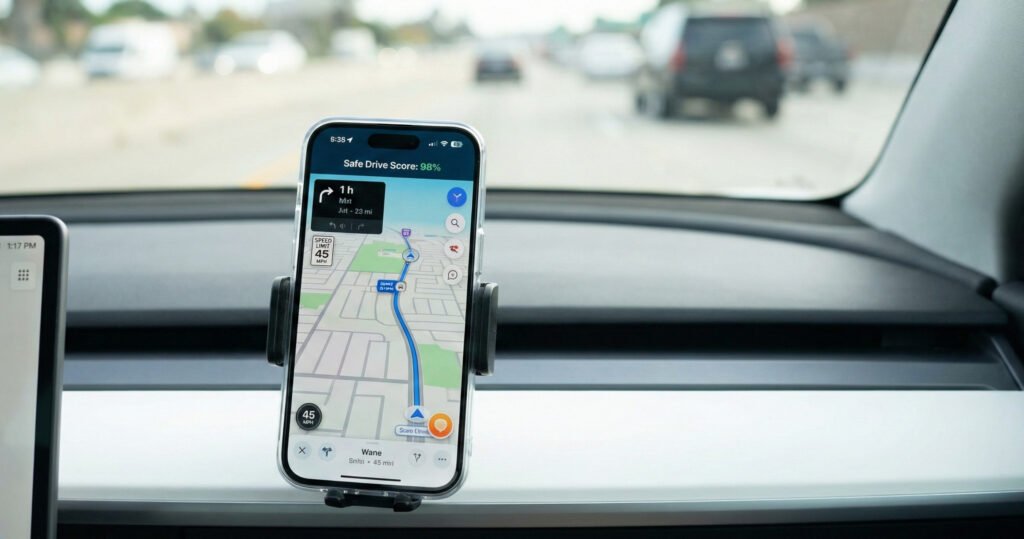
While insurance rates for new drivers are high, the good news is they are not set in stone. With smart choices and a proactive approach, you can significantly reduce your premiums. It’s time to move from understanding the costs to actively lowering them.
Here are some of the most effective cost-saving strategies available:
- Good Student Discounts: Insurers reward academic responsibility. Maintaining a B average or better can earn you a discount of up to 25%.
- Safe Driving Courses: Completing a defensive driving course like teenSMART can do more than just make you a safer driver; it can also lower your premium. Case studies show that graduates not only reduce their accident risk by up to 30% but can also save around 20% on their insurance.
- Multi-Car and Bundling Discounts: Adding a teen driver to an existing family policy is almost always cheaper than a standalone policy. You can save an additional 10% to 15% by bundling your auto insurance with a home or renters policy from the same provider.
- Telematics Programs: Usage-based insurance programs are revolutionizing how premiums are calculated. Programs like Progressive’s Snapshot or State Farm’s Drive Safe & Save use a smartphone app or a small device to track your driving habits. Good habits, such as smooth braking and avoiding late-night driving, can earn you a discount of up to 30%. However, be aware that poor driving habits could potentially increase your rates with some insurers.
Let’s look at a real-world example. A 17-year-old in California driving a Honda Civic might receive an initial quote of $3,000 annually. By applying a good student discount and a safe driver discount, that premium could drop to $2,400. Similarly, a driver with a similar profile in Texas could see their $2,500 premium reduced to $2,000. To compare potential savings, parents of college students preparing for an independent policy should explore these options using resources like the Insurance Information Institute (https://www.iii.org).
Comparing Providers Suited for New Drivers
Securing those discounts is just one part of the equation; finding the right provider is the other. Not all insurance companies are equally friendly to young drivers. Some specialize in offering competitive rates and features tailored specifically for this demographic. It’s essential to shop around and compare what different insurers have to offer.
Here are a few top providers known for their teen-friendly features:
- Geico: Often recognized for competitive pricing, Geico offers a good student discount of up to 15% and other savings for members of certain student organizations.
- Progressive: A pioneer in telematics, Progressive’s Snapshot program can be a great way for responsible young drivers to prove their safe habits and earn a significant discount.
- State Farm: The Steer Clear program from State Farm is an excellent educational tool that combines safe driving courses with mentorship and can result in a discount of up to 15% upon completion.
According to recent analysis from Forbes Advisor (https://www.forbes.com/advisor/car-insurance/best-car-insurance-for-teens/), the top-rated insurers for teens often include Erie Insurance, USAA (for eligible military families), and Nationwide. The table below shows that rates can vary widely.
| Insurance Provider | Reputation for Teen Drivers | Key Features |
| USAA | Consistently the lowest rates, but eligibility is limited to military families. | Excellent customer service, strong discounts. |
| Erie Insurance | Highly competitive rates and top-rated customer satisfaction. | Youthful driver discounts, rate protection features. |
| Geico | Well known for affordable rates and user-friendly online tools. | Good student discounts, defensive driving discounts. |
Remember, the cheapest policy isn’t always the best. A low premium is appealing, but it’s equally important to consider a company’s customer service reputation and its claims satisfaction record. The last thing you want after an accident is a difficult and unresponsive insurance provider. For young adults who may use their vehicle for ridesharing, it’s also crucial to check if the provider offers the necessary rideshare add-ons.
Special Considerations for Young Drivers’ Lifestyles
The world of driving is constantly evolving, and today’s young drivers face unique challenges and opportunities. Broader economic trends like inflation, which has pushed car insurance costs up 13% in the past year, and the ever-present issue of distracted driving are leading to projected premium increases of 7.5% in 2025. Developing safe, focused driving habits is the best way to combat these rising costs.
Here are some special considerations relevant to the modern young driver:
- College Students: If a student attends college over 100 miles from home and leaves their car behind, they may be eligible for a distant student discount of 10% to 15%. However, as advised by organizations like AAA (https://www.aaa.com), it’s crucial to clarify the policy details to avoid coverage gaps if they drive occasionally when visiting home.
- Ridesharing (Uber/Lyft): This is a critical point. A standard personal auto policy excludes coverage when you’re driving for a service like Uber or Lyft. You must purchase a special rideshare add-on, typically costing $5 to $30 per month. Coverage can be tricky, as there are different periods (e.g., Period 1, when the app is on but you haven’t accepted a ride), and you must resolve how your personal policy and the rideshare company’s policy work together based on your state’s rules.
- Future Trends: Technology is poised to change the insurance landscape. A Goldman Sachs analysis (https://www.goldmansachs.com) predicts that autonomous vehicle features could reduce accidents so dramatically that premiums may fall by 50% by 2040. In the short term, however, the advanced sensors and cameras in newer cars mean that even minor fender benders can lead to expensive repair bills.
Real-World Advice on Claims Processes and Avoiding Pitfalls
Knowing how to handle the aftermath of an accident is just as important as preventing one. A smooth claims process can make a stressful situation manageable, while a misstep can lead to financial headaches or even policy cancellation.
Here is some practical advice for navigating the claims process and avoiding common pitfalls:
- Understand the Claims Process: If you’re in an accident, the first steps are to ensure everyone is safe and call the police. Then, report the incident to your insurer promptly. Document everything: take photos of the scene and vehicle damage, exchange information with the other driver, and get a copy of the police report. You’ll also need to understand your deductible, which is the amount you pay out of pocket before your coverage kicks in (a $500 deductible is standard).
- Avoid Common Pitfalls: Honesty is the best policy. Never hide tickets or accidents from your insurer. If they find out, they could cancel your policy. Another pitfall is underinsuring; make sure your liability limits are high enough to protect your family’s assets, especially if you live in a high-risk urban area.
- Advice for Parents: You can play a key role in promoting safe habits. Consider using monitoring apps that track speed, hard braking, and phone usage to have constructive conversations with your teen about their driving.
Consider this case study: a teen with comprehensive coverage gets into a minor accident. Their insurance covers the repairs after the deductible, but their rates go up at renewal time. However, because they had opted for an accident forgiveness add-on, their premium was protected from the first-time incident. Researching common misconceptions on sites like Bankrate (https://www.bankrate.com) can also help you avoid costly mistakes. For a smoother experience, consider providers with high claims satisfaction ratings, like USAA.
Conclusion: Your Step-by-Step Action Plan for Securing Affordable Teen Car Insurance
Securing car insurance for a new driver can feel overwhelming, but it doesn’t have to be a nightmare. By understanding the factors that drive high rates, choosing essential coverages, actively pursuing savings strategies, and being aware of special considerations like ridesharing, you can turn a potentially stressful experience into one of confident preparation. The 17-year-old in our opening story could have faced their fender bender not with panic, but with the assurance that they were properly covered.
With the right knowledge, affordable and effective coverage is within reach. Here is a simple, step-by-step action plan to guide you:
- Assess Your Needs: Start by determining the right amount of coverage for your situation. Always meet your state’s minimum requirements, but strongly consider higher liability limits for better financial protection.
- Gather Quotes: Don’t take the first offer. Get quotes from at least three different providers, including national leaders like Geico and State Farm as well as smaller regional insurers.
- Apply All Possible Discounts: Make a list of every discount you might qualify for, from the good student discount to savings from a safe driving course, and ensure they are applied to your quotes.
- Choose Your Policy: Select the policy that offers the best balance of coverage, cost, and customer service. Add on extras like roadside assistance if they fit your lifestyle.
- Review Annually: Car insurance is not a “set it and forget it” product. Review your policy every year, especially after major life changes like heading to college or starting a ridesharing gig, to ensure you still have the best coverage at the best price.
For more personalized advice and information, consult trusted resources like the Insurance Information Institute (https://www.iii.org). By taking these steps, every new driver can get behind the wheel with the confidence and protection they deserve.